

Saarthak Srivastav
ASOWin
Saarthak Srivastav writes ASOWin's App Store Optimization guides, covering keyword research, conversion, ratings, localization and measurement for the Apple App Store and Google Play.
Articles by Saarthak Srivastav
View All Blogs →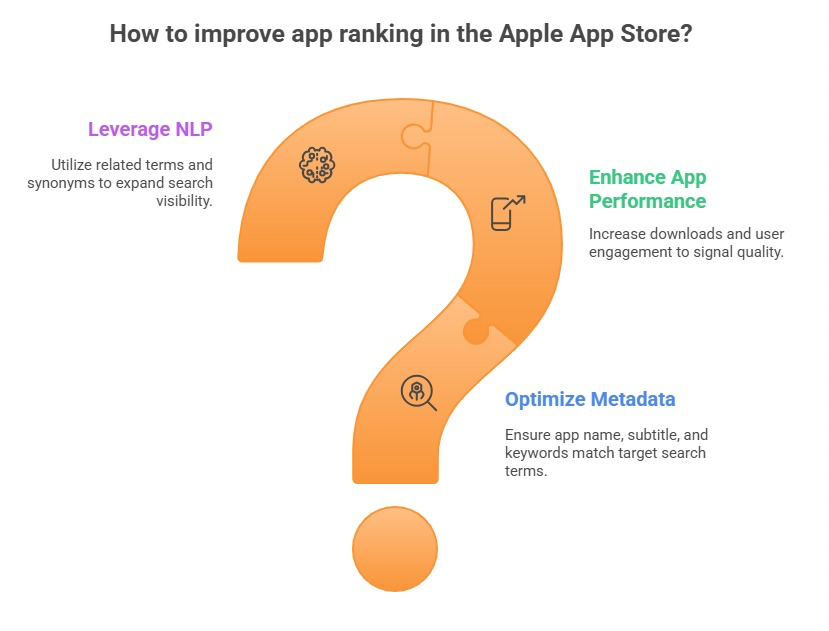
App Store Optimization: The Complete ASO Guide for 2026
Learn how app store optimization works across Apple App Store and Google Play, from keyword research and creative testing to ratings, localization, and measurement.
ASO Keyword Research: A Step-by-Step Framework That Finds Install Intent
Build an ASO keyword strategy using relevance, search intent, competition, conversion potential, and real product language instead of chasing volume alone.
Apple App Store Keyword Field: How to Use Every Character Strategically
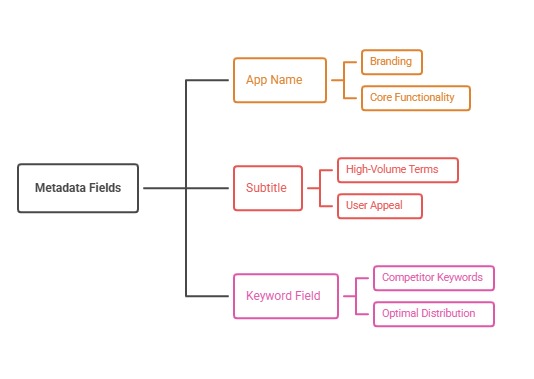
Optimize the iOS App Store keyword field with a relevance-first method, clean term allocation, localization, and a repeatable testing process.
Google Play Keyword Optimization Without Keyword Stuffing
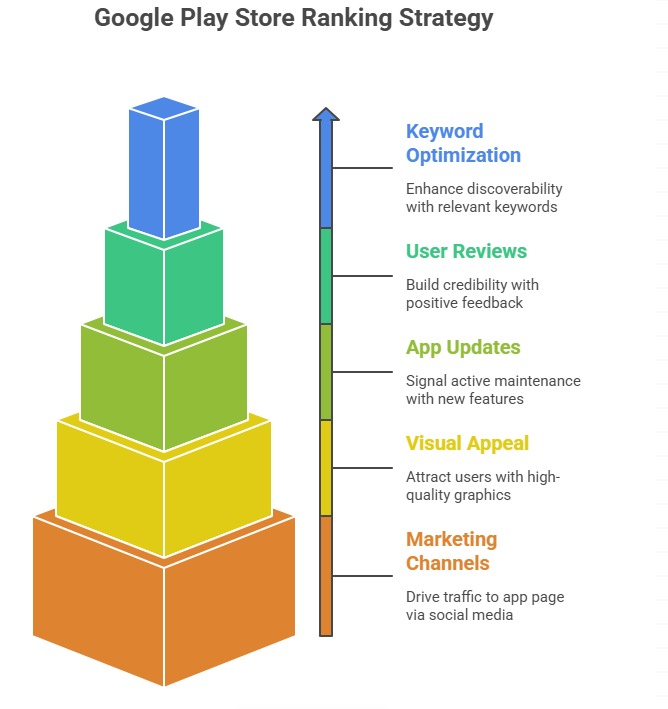
Write a Google Play listing that earns relevant visibility and converts: semantic topic coverage, readable descriptions, proof-led creative, and policy-safe testing.
Competitor ASO Analysis: Find Gaps Without Copying Rivals
Use competitor ASO analysis to uncover positioning, keyword, creative, localization, and review opportunities while keeping your strategy differentiated.

Long-Tail App Store Keywords: Win High-Intent Searches
Find and prioritize specific app store searches that reflect strong user intent, match real features, and can convert better than broad category terms.
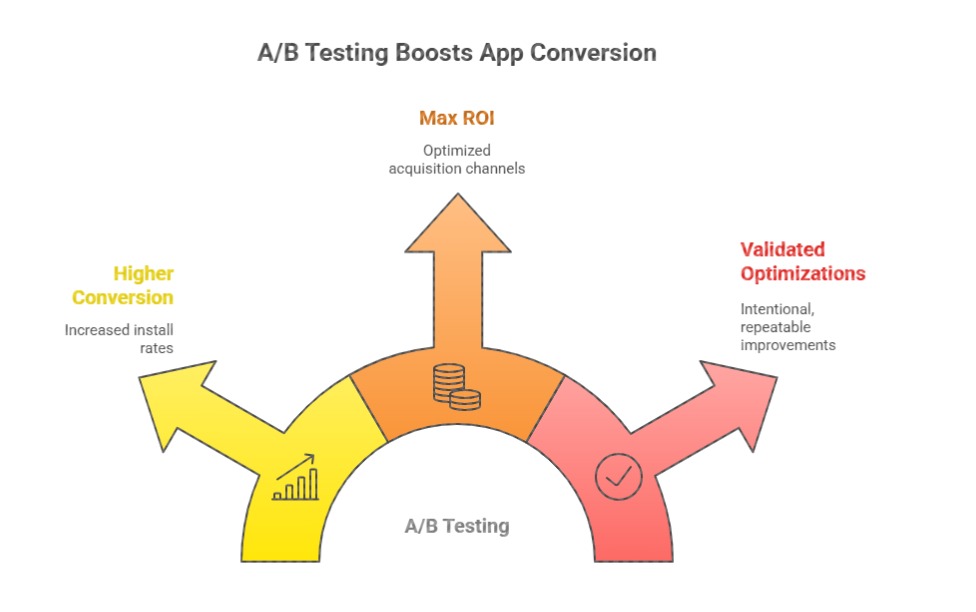
App Store Conversion Rate Optimization: Turn More Visitors Into Installs
Diagnose and improve app store conversion with intent-aligned messaging, screenshot sequencing, evidence, experimentation, and cohort-quality guardrails.

App Store Screenshot Design: A Storyboard That Converts
Plan app store screenshots as a fast, evidence-led product story with clear hierarchy, localized messaging, accessibility, and testable hypotheses.
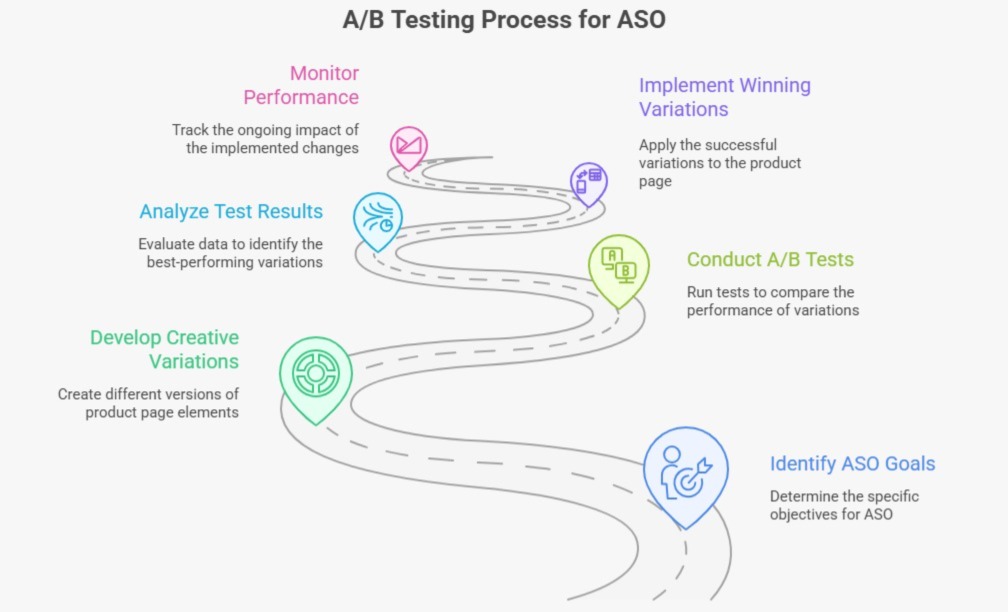
App Preview Video Guide: Prove Value in the First Seconds
Create app preview and Play Store videos that demonstrate the product quickly, match user intent, remain understandable without sound, and support conversion testing.
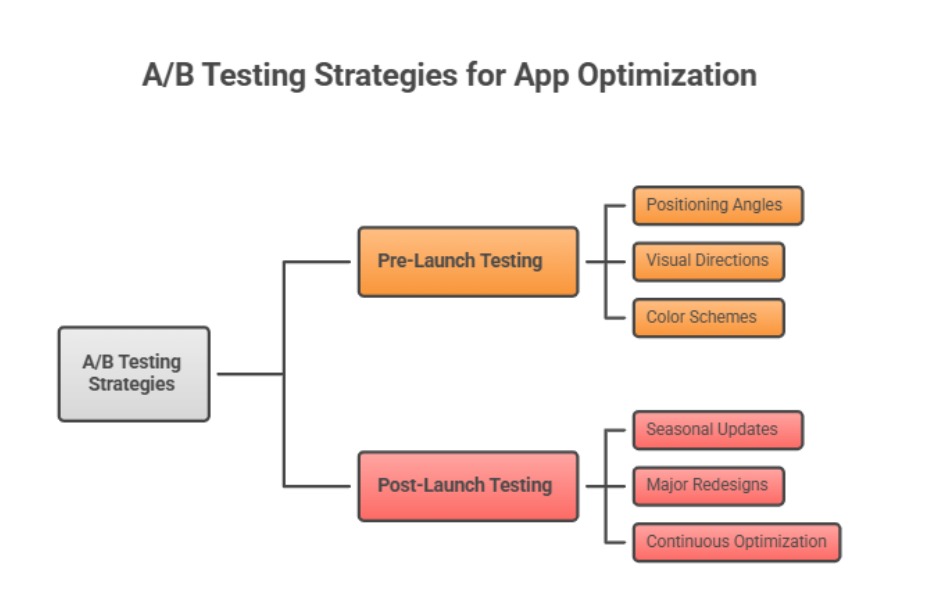
Apple Product Page Optimization: Design Tests You Can Trust
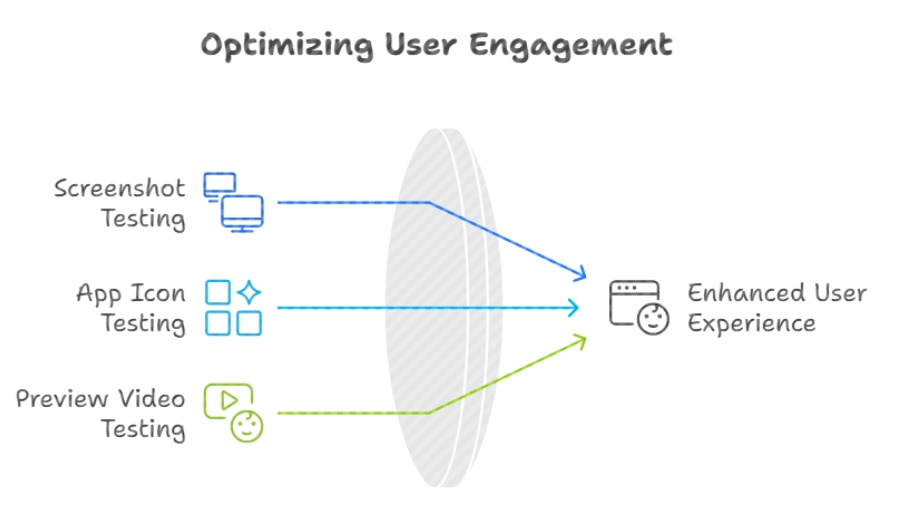
Plan, run, and interpret App Store product page optimization tests across icons, screenshots, and previews using clear hypotheses and quality guardrails.
Google Play Store Listing Experiments: A Practical Testing Playbook
Use Google Play store listing experiments to test high-impact creative hypotheses, control noise, interpret results, and protect install quality.
Custom Product Pages on iOS: Match Every Campaign to Its Intent
Plan Apple custom product pages by audience and intent, connect tailored creative to campaigns and search, and measure value beyond conversion.

App Store Localization Strategy: Grow by Market, Not Translation Count
Prioritize markets and localize app metadata, keywords, screenshots, proof, and product experience with a measurable rollout model.
ASO for India: A Market-Specific Growth Playbook
Plan app store optimization for India across language, device, trust, payment, connectivity, creative, ratings, and regional measurement.
ASO for the USA: Compete on Intent, Proof, and Conversion
Build a US app store optimization strategy using audience-specific intent, competitive positioning, credible proof, creative testing, and cohort economics.
App Store Creative Culturalization: Design Beyond Translation
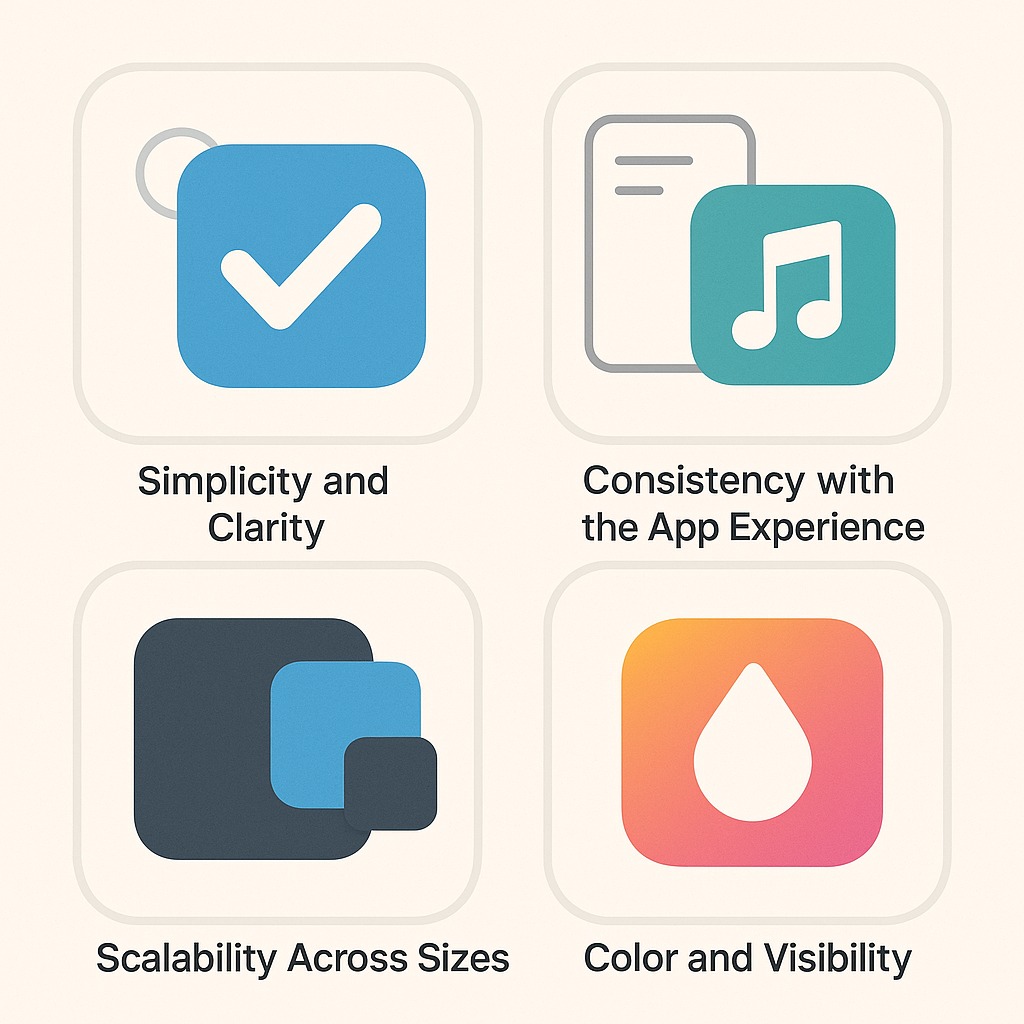
Adapt screenshots, video, proof, examples, color, characters, and message order to local expectations without losing the brand.

App Launch ASO Checklist: From Research to Release Day
A practical launch checklist for app positioning, keywords, product pages, localization, reviews, analytics, testing, and post-launch iteration.
Pre-Launch ASO Strategy: Validate Demand Before You Publish
Use app store research before launch to sharpen positioning, prioritize features, prepare metadata and creative, and build a measurable release plan.

How to Increase Organic App Installs Without Buying Fake Traffic
Grow qualified organic app installs through demand capture, conversion, product quality, reviews, web discovery, referrals, and disciplined measurement.

ASO and Paid User Acquisition: Build One App Growth System
Connect paid campaigns and app store optimization through shared intent, tailored product pages, creative learning, attribution, and cohort economics.

Seasonal ASO Calendar: Plan App Store Growth All Year
Build a seasonal ASO calendar around real demand, product readiness, creative lead times, approvals, tests, and post-event learning.

How to Improve App Ratings Ethically and Sustainably
Improve app ratings by fixing experience gaps, choosing responsible prompt moments, responding to feedback, and measuring rating quality by release and market.
How to Respond to Negative App Reviews: Templates and Triage
Triage and answer negative app reviews with empathy, specificity, safe support handoffs, product ownership, and measurable follow-through.
App Review Management: Build a Voice-of-Customer System
Turn app reviews into a structured operating system for reputation, support, product quality, localization, creative proof, and retention.

ASO KPIs: The Metrics That Connect Visibility to Revenue
Build an ASO scorecard across discovery, conversion, quality, retention, and value with clear definitions, segments, and decision rules.
App Store Connect Analytics: An ASO Measurement Guide
Use App Store Connect Analytics to evaluate acquisition sources, conversion, custom product pages, PPO tests, territories, and downstream value.
Google Play Console Store Performance: Read the ASO Funnel
Analyze Google Play store performance by acquisition context, country, language, listing, and cohort quality to prioritize the next ASO action.
ASO Audit Checklist: Find the Highest-Impact Growth Constraint
Audit app store visibility, positioning, conversion, localization, ratings, quality, analytics, and operations—and turn findings into a prioritized roadmap.
Fintech App ASO: Win Trust Before Asking for an Install
Optimize fintech app discovery and conversion with precise intent, verified trust signals, transparent value, localized proof, reviews, and quality guardrails.
Mobile Game ASO: Turn Genre Intent Into Loyal Players
Optimize mobile game visibility and conversion through genre semantics, authentic gameplay, characters, live events, localization, testing, and player-quality metrics.

Best ASO Tools in 2026: A Buyer's Framework for Choosing the Right Platform
Compare ASO tool categories—keyword tracking, competitor intelligence, creative testing, and review management—with a scoring framework for picking the right stack.

App Store Optimization ROI: A Framework for Calculating Cost, Payback, and Value
Build a defensible ASO ROI model: separate cost inputs, isolate incremental value from paid channels, and set a realistic payback timeline.

White Hat vs Black Hat ASO: Guideline Violations That Get Apps Rejected or Banned
Understand the difference between compliant ASO and manipulation tactics that trigger app rejection, ranking suppression, or developer account termination.

How to Get Featured on the App Store and Google Play: An Editorial Playbook
Understand what Apple and Google editorial teams look for, how to signal feature-readiness, and how to prepare operationally for a featuring spike.

In-House ASO Team vs Agency: Roles, Costs, and a Maturity Model for Scaling
Compare in-house, agency, and hybrid ASO staffing models against a three-stage maturity framework to decide what fits your release cadence and market count.

App Store and Google Play Character Limits: The Complete Technical Cheat Sheet
A field-by-field reference for Apple App Store and Google Play metadata limits, indexing behavior, and asset specs—plus how to verify current limits before launch.

In-App Events for ASO: Using Apple's Events Feature to Win Extra Visibility
Plan time-bound In-App Events that qualify for App Store placement, measure their impact, and avoid the overuse that causes event fatigue.

Web-to-App SEO: How Your Website and Deep Links Influence App Store Discovery
Connect your website to your app store listing with Universal Links, Android App Links, and structured data so web search and ASO reinforce each other.
Health and Fitness App ASO: Turn Goals Into Installs and Habits
Optimize a health or fitness app listing around user goals, credible outcomes, platform health-claim rules, and retention instead of download volume alone.
Meditation and Wellness App ASO: Win Calm, Trust, and Daily Use
Position a meditation or mindfulness app with clear use cases, calm creative, honest claims, and subscription messaging that sets expectations.
EdTech App ASO: Reach Learners, Parents, and Institutions
Optimize an education app listing for learner intent, outcomes, curriculum clarity, age and privacy rules, and the buyer who often is not the user.
Language Learning App ASO: Compete in the Most Localized Category
Handle target-language keywords, native-language listings, proof of progress, and subscription clarity for a language learning app.
Travel and Booking App ASO: Capture Trip Intent Across Seasons
Optimize travel apps for destination, flight, hotel, and itinerary intent, with seasonal planning, trust signals, and post-booking value.
Food Delivery App ASO: Win Hunger-Driven Searches
Optimize food and grocery delivery apps for local intent, cuisine and category terms, offer clarity, and reliable fulfillment signals.
Ride-Hailing and Mobility App ASO: Build Trust and Local Relevance
Optimize mobility apps for safety, reliability, location permissions, and driver versus rider audiences across multiple cities.
Dating and Social App ASO: Balance Growth, Safety, and Brand
Optimize dating and social apps with careful positioning, safety messaging, moderation transparency, and cohort quality across markets.
Music and Audio Streaming App ASO: Compete With Giants on Niche and Habit
Position music, podcast, and audio apps through niche catalogs, listening moments, device integrations, and subscription clarity.
Video Streaming App ASO: Merchandise Content, Not Just Features
Optimize OTT and video apps by merchandising catalogs, regional content, device support, and subscription value across markets.
News and Media App ASO: Earn Habit in a Crowded Feed
Optimize news and publisher apps through topic and region relevance, notification value, trust cues, and reader habit metrics.
Productivity and Notes App ASO: Differentiate in a Crowded Utility Category
Position productivity, note-taking, and task apps by workflow, platform integrations, and clear differentiation from built-in tools.
Photo and Video Editing App ASO: Sell Outcomes With Visual Proof
Optimize creative apps with before-after proof, template and effect keywords, trend cycles, and honest subscription messaging.
AI Assistant App ASO: Stand Out When Everyone Says AI
Position AI chatbot, writing, and creative assistant apps with specific use cases, honest capability claims, and clear data and pricing practices.
Kids and Family App ASO: Win Parents While Following the Rules
Optimize apps for children and families with parent-focused messaging, safety and privacy compliance, and age-appropriate creative.
VPN and Utility App ASO: Build Trust in a Skeptical Category
Optimize VPN, cleaner, scanner, and utility apps with honest claims, privacy transparency, and clear value rather than fear-based creative.
Investing and Trading App ASO: Compliance, Clarity, and Qualified Users
Optimize investment, brokerage, and stock apps for regulated markets with accurate claims, risk disclosures, and funded-user outcomes.
Insurance App ASO: Make Complex Cover Feel Simple
Optimize insurance and claims apps with plain language, policy and claim workflows, trust signals, and regulated-market compliance.
Real Estate App ASO: Capture Search, Saved Homes, and Local Intent
Optimize property search, rental, and agent apps with location-aware relevance, listing freshness, and lead-quality measurement.
Jobs and Recruitment App ASO: Serve Seekers and Employers Clearly
Optimize job search and hiring apps for seeker and employer audiences, role and location keywords, and match quality outcomes.
Telehealth and Healthcare App ASO: Earn Trust With Accuracy and Clarity
Optimize telehealth, clinic, and patient apps with regulated claims, clear scope of care, privacy transparency, and appointment outcomes.
Automotive and Car App ASO: Connect Owners, Buyers, and Services
Optimize car marketplace, EV, and owner apps by user stage, vehicle and region relevance, and service-completion outcomes.
Sports and Fantasy App ASO: Ride Event Cycles Without Losing Retention
Optimize sports, live score, and fantasy apps around tournaments, regional leagues, regulation, and season-long engagement.
B2B SaaS Mobile App ASO: Reach Users Inside Companies
Optimize companion and field apps for business software with account-based audiences, login-gated clarity, and enterprise trust.
Parenting and Pregnancy App ASO: Support Anxious, High-Intent Users
Optimize pregnancy, baby, and parenting apps with stage-based keywords, medically careful claims, and community and tracking value.
Pet Care App ASO: Reach Owners by Pet, Problem, and Provider
Optimize pet care, vet booking, and pet tracking apps with species and need-based keywords, provider trust, and recurring engagement.
Devotional and Religious App ASO: Respect, Language, and Seasonal Devotion
Optimize prayer, scripture, and devotional apps with respectful creative, regional language support, festival calendars, and content accuracy.
Astrology and Horoscope App ASO: Compete on Personalization and Trust
Optimize astrology apps with personalization cues, honest framing, subscription clarity, and daily-habit metrics.
Women's Health and Cycle Tracking App ASO: Privacy, Accuracy, and Inclusion
Optimize cycle tracking and women's health apps with careful claims, strong privacy transparency, and inclusive, accurate content.
Marketplace App ASO: Balance Buyers, Sellers, and Local Liquidity
Optimize classifieds and peer-to-peer marketplace apps with two-sided messaging, category depth, safety, and liquidity by region.

ASO for Brazil: Brazilian Portuguese, Android Reach, and Local Payments
Plan app store optimization for Brazil with Brazilian Portuguese localization, Android-heavy device realities, local payment expectations, and cultural fit.
ASO for Mexico and Latin America: One Spanish or Many?
Decide how to localize Spanish for Mexico and Latin American markets, balancing shared language efficiency with regional vocabulary and payments.

ASO for Japan: Quality Expectations, Detail, and iOS Weight
Localize and optimize for Japan with careful Japanese copy, high design standards, character-specific keyword considerations, and trust-building detail.
ASO for South Korea: Local Stores, Language, and Competitive Polish
Approach South Korea with Korean-language optimization, awareness of local app store alternatives, and creative suited to a mature mobile market.

ASO for Germany: Precision, Privacy, and Compound Words
Optimize for Germany with careful German copy, attention to privacy expectations, compound-word keyword research, and clear pricing.

ASO for France: Language Pride, Tone, and Local Competitors
Localize and optimize for France with native French copy, appropriate tone, local competitor review, and attention to consumer expectations.
ASO for the United Kingdom: British English, Tone, and Seasonality
Adapt listings for the UK with British spelling and vocabulary, understated tone, local pricing, and regional events.
ASO for the Middle East and GCC: Arabic, Gulf Behavior, and Premium Intent
Optimize for Gulf markets with Arabic and English listings, cultural fit, seasonal observances, and high-value user patterns.
ASO for Turkey: Turkish Language, Mobile-First Habits, and Local Pricing
Plan ASO for Turkey with Turkish-language specifics, mobile-first behavior, local pricing sensitivity, and regional competition.
ASO for Vietnam: Vietnamese Language, Android Reach, and Local Super-Apps
Optimize for Vietnam with accurate Vietnamese copy, diacritic handling, device realities, and awareness of dominant local apps.

ASO for the Philippines: English, Filipino, and Mobile Wallet Behavior
Optimize for the Philippines with English and Filipino considerations, social and messaging habits, mobile wallets, and data-conscious design.

ASO for Thailand: Thai Script, Social Commerce, and Visual Style
Localize for Thailand with accurate Thai copy and script handling, social-first behavior, and visually rich creative.
ASO for Nigeria and Africa: Device Range, Data Costs, and Local Payments
Plan ASO for African markets with lightweight experiences, multiple languages, local payment realities, and market-by-market prioritization.
Arabic and Right-to-Left App Store Listings: A Practical Guide
Create Arabic and other right-to-left store listings with correct text direction, screenshot design, keyword research, and quality assurance.
ASO for Canada: English, Canadian French, and Regional Differences
Handle bilingual Canada with English and Canadian French listings, local spelling, regional behavior, and compliance.

ASO for Australia and New Zealand: Local English, Seasons, and Pricing
Optimize for Australia and New Zealand with local English, reversed seasons, local pricing, and a smaller but valuable market profile.
ASO for Spanish Speakers in the US: Serving a Large Bilingual Audience
Reach Spanish-speaking users in the US with bilingual strategy, Spanish metadata, culturally relevant creative, and careful measurement.
ASO for Traditional Chinese Markets: Taiwan and Hong Kong
Localize for Taiwan and Hong Kong with Traditional Chinese copy, regional vocabulary differences, and local payment and cultural fit.
ASO for a European Multi-Country Rollout: Prioritize, Then Localize
Plan a European rollout by prioritizing languages and countries, sharing assets smartly, and managing consumer and privacy requirements.

ASO for Poland and Eastern Europe: Language Depth and Price Sensitivity
Approach Poland and nearby markets with careful Slavic-language localization, price sensitivity, and growing mobile commerce.
App Store Subtitle Formulas: 6 Patterns That Balance Keywords and Clarity
Write iOS subtitles that add search relevance and persuade, using six reusable patterns, character-budget tactics, and a testing routine.
App Title and Naming Strategy: Brand, Keyword, or Both?
Choose an app name and store title that balance brand memory, search relevance, trademark safety, and long-term flexibility.
Google Play Short Description: 80 Characters That Decide the Install
Craft a Google Play short description that earns relevance and persuades, with patterns, mistakes to avoid, and testing advice.
Promotional Text on the App Store: Use the Field You Can Change Anytime
Use iOS promotional text for timely messages, events, and tests without a new app version, and know what it does and does not influence.
Release Notes and What's New Text: Small Field, Real Impact on Retention
Write What's New text that informs existing users, supports reviews, and reinforces store messaging without hype.
Choosing Your App Category: A Decision Framework for Better Visibility
Select primary and secondary categories using competition, audience fit, chart dynamics, and policy, and learn when changing category is worth it.
Brand vs Generic Keywords in ASO: How to Balance Protection and Growth
Manage branded and generic keyword portfolios, protect brand search, and avoid overspending metadata on terms you already win.
Keyword Cannibalization in ASO: When Your Own Metadata Competes With Itself
Spot and fix cases where duplicated or overlapping terms waste limited fields, and understand where cannibalization concerns do and do not apply.
Changing Your App Name: Risks, Timing, and a Safe Migration Plan
Plan a rename or rebrand with attention to rankings, recognition, reviews, trademark, and communication.
Writing the iOS Long Description: Persuasion Without Keyword Stuffing
Structure the App Store description for readers, since iOS does not index it for search, with clear value, proof, and calls to action.
App Icon A/B Testing: What to Test, What to Ignore, and How to Read Results
Run clean icon experiments with strong hypotheses, sensible variants, adequate traffic, and decisions that account for brand and long-term effects.
Screenshot Caption Copywriting: Words That Sell in Three Seconds
Write short, scannable screenshot captions that state benefits, match search intent, stay legible, and localize well.
Localizing Screenshots Without Redesigning Everything Each Time
Build a template system that lets you translate and adapt screenshots across markets quickly while keeping quality and brand consistency.
The First Three Screenshots: Your Real Landing Page
Plan the first three screenshots, which most visitors see, to deliver promise, proof, and product clarity in a deliberate order.
App Preview Video: Win the First Three Seconds
Structure app preview videos so the opening shows the core value quickly, works without sound, and complies with store specifications.

Google Play Feature Graphic: Design the Banner That Frames Your Listing
Design a Google Play feature graphic that communicates the value clearly, respects safe areas, and works with the rest of the listing.
Dark Mode in Store Screenshots: When It Helps and When It Hurts
Decide whether to show dark mode, light mode, or both in store assets, and how to test the choice by audience and category.
Tablet and Foldable Store Assets: Don't Treat Large Screens as an Afterthought
Prepare tablet and foldable screenshots, check platform requirements, and decide when large-screen creative is worth the effort.
Social Proof in Store Creatives: Use Ratings, Awards, and Numbers Honestly
Add credible proof such as ratings, awards, press, and user counts to creatives while following policy and keeping claims current.
Creative Testing Backlog: Prioritize Ideas by Impact and Confidence
Turn creative ideas into a ranked testing backlog using impact, confidence, effort, and learning value, and avoid random testing.
When to Ask for a Rating: Timing the In-App Prompt Around Success Moments
Choose rating prompt timing based on user success moments, avoid interrupting key flows, and respect platform limits on how often you can ask.
iOS Rating Prompts: Implementation Best Practices and Common Mistakes
Implement Apple's rating prompt thoughtfully, with usage thresholds, version handling, and testing, while avoiding practices Apple prohibits.
Google Play In-App Review API: Ask Without Sending Users Away
Use the Play in-app review flow to collect ratings inside the app, with quotas, timing, and testing considerations.
Review Reply Templates That Help Users and Protect Ratings
Use flexible reply frameworks for common review types, personalize responses, and follow policy to turn complaints into resolutions.
Mining Reviews for Keywords and Messaging: Hear the User's Vocabulary
Analyze your own and competitor reviews to find the words users use, the jobs they hire apps for, and the objections to address in metadata and creative.
Crash Rate and Store Visibility: Why Stability Is an ASO Metric
Connect crashes and ANRs to ratings, visibility, and conversion, and build a stability routine that protects growth.
App Size and Install Conversion: How Download Weight Affects Growth
Understand how app size influences installs, especially on mobile data and entry-level devices, and plan reductions and messaging accordingly.
Staged Rollouts and Ratings Protection: Ship Safely, Keep Your Stars
Use phased releases and monitoring to catch regressions before they hit your whole user base and your public rating.
Handling Review Bombing: Detect, Report, and Recover
Spot sudden waves of negative or fake reviews, use platform reporting tools, communicate honestly, and rebuild rating quality.
Ratings Reset on iOS: When Resetting the Summary Rating Makes Sense
Understand the iOS option to reset the summary rating with a new version, its trade-offs, and how to decide responsibly.
Statistical Significance in Store Experiments: A Guide for ASO Teams
Read A/B test results correctly: confidence, sample size, test duration, practical significance, and how to avoid false winners.
Building an ASO Experimentation Roadmap: From Quick Wins to Big Bets
Plan a quarter of experiments across metadata, creative, and pages with clear hypotheses, sequencing, ownership, and review cycles.
Setting Up an ASO Reporting Dashboard: Metrics, Sources, and Cadence
Design a dashboard that joins store consoles, rank tracking, and product analytics, with consistent definitions and a useful review rhythm.
Impressions vs Page Views vs Downloads: Reading the ASO Funnel
Understand store funnel metrics, how they relate, and which ratio reveals a visibility problem versus a conversion problem.
ASO Glossary: 50 Terms Every App Marketer Should Know
A plain-language glossary of app store optimization terms, from keyword field and conversion rate to custom product pages and Android vitals.
ASO vs SEO: What Transfers, What Does Not, and How to Use Both
Compare app store optimization and web SEO across ranking signals, content, measurement, and tooling, and combine them for discovery.
ASO vs App Store Marketing: Organic and Paid Compared
Clarify how organic ASO differs from paid store advertising, and how to coordinate them for lower costs and better learning.
Attribution and Organic Uplift: Measuring ASO's Share of Growth Honestly
Estimate organic uplift, separate paid and organic effects, and use experiments and holdouts to attribute ASO impact credibly.
ASO for Startups With No Budget: A Lean 30-Day Plan
Use free tools, store consoles, and focused effort to improve discoverability and conversion before spending on ads or agencies.
ASO Sprint Planning for Small Teams: A Two-Week Rhythm That Ships
Run ASO in two-week sprints with a lightweight backlog, clear owners, and review rituals that fit a small product team.
Subscription Messaging in Store Listings: Convert Without Surprises
Present free trials, subscription tiers, and in-app purchases clearly on the product page and in creative, in line with platform rules and consumer expectations.
Paywall and Store Listing Alignment: Keep the Promise After the Install
Align store creative with onboarding and paywall so expectations match, reducing early churn, refunds, and negative reviews.
Privacy Labels and Data Safety: Accuracy First, Conversion Second
Complete Apple privacy labels and Google's Data safety section accurately, understand their effect on trust, and keep them current.
Age Ratings and Content Ratings: Get Them Right Before They Cost You Reach
Complete Apple age ratings and Google Play content rating questionnaires accurately, and understand how ratings affect distribution and audience fit.
App Clips and Instant Apps: Lightweight Entry Points for Discovery
Evaluate App Clips and Google Play Instant as lightweight entry points, with use cases, constraints, and measurement considerations.
Google Play Pre-Registration: Build Demand Before Launch Day
Use Play pre-registration to collect interested users before release, with messaging, assets, and launch coordination.
App Review Rejection Recovery: Diagnose, Fix, Resubmit, and Prevent
Respond to app review rejections with a structured process, clear communication, and checks that reduce repeat issues.
App Transfers and Developer Account Changes: Protect Rankings and Reviews
Plan app transfers or account migrations so reviews, ratings, and rankings are preserved, and communicate changes without disruption.
ASO and AI Search: How App Discovery Is Expanding Beyond the Store
Prepare for app discovery through AI assistants and conversational search by clarifying positioning, structured information, and brand presence.
ASO and Brand: Building a Moat That Keywords Alone Cannot Buy
Combine ASO with brand-building, product quality, and community to create durable discovery advantages that competitors cannot copy by changing metadata.