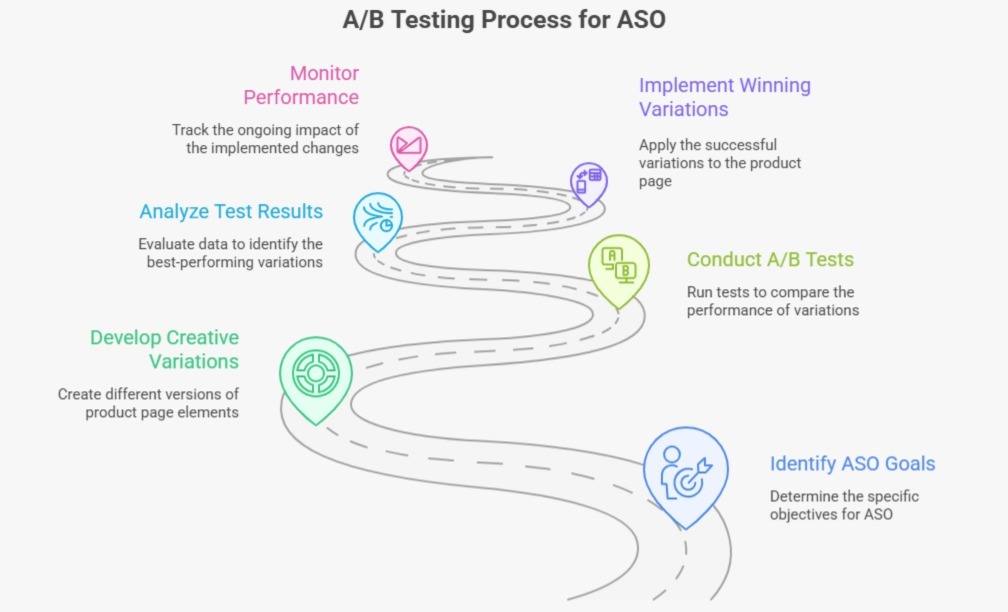
Quick answer: Mobile game ASO connects genre and player intent with authentic gameplay evidence. Metadata should clarify genre, mechanics, theme, mode, and audience; the icon and first assets should create recognition and show the real experience. Use characters, progression, social proof, events, and localization where relevant, while measuring retained players and payer value—not download volume alone.
What this guide will help you do
This guide focuses on mobile game ASO with a practical, evidence-led approach. It covers game app store optimization, mobile game marketing, game store listing without repeating phrases for artificial density. Use the framework to make a clear decision, document the result, and improve the next release.
Map the player promise
Separate genre, core mechanic, theme, perspective, session length, mode, progression, social play, and player fantasy. A strategy game, merge game, and role-playing game may share art cues but satisfy very different intent.
Analyze review language and competitor creative by market. Identify which player fantasy the product delivers better and which conventions help recognition without making the game indistinguishable.
Show gameplay, not a substitute
Open with a recognizable character, mechanic, or world, then show authentic action, progression, variety, social competition, and live content. Cinematic polish can support the story but should not misrepresent the playable experience.
Test icon subjects, gameplay moments, art style, feature order, and social proof as distinct hypotheses. Use seasonal pages for relevant events without replacing the evergreen promise for every visitor.
Optimize for player quality
Connect creative and keyword cohorts to tutorial completion, first session, day-level retention, progression, payer conversion, ad engagement, and churn. A misleading ad-to-store route can produce cheap installs and expensive disappointment.
Localize character appeal, humor, cultural references, event timing, devices, and monetization context. Monitor ratings and performance after every content release.
Action plan
- Define genre, mechanic, and player fantasy
- Use authentic gameplay evidence
- Balance recognition and differentiation
- Test characters and moments deliberately
- Plan live-event pages selectively
- Measure retained players and value
Metrics to monitor
- Genre search visibility
- Store conversion by creative
- Tutorial and early retention
- Payer or ad-value outcomes and churn
Record the baseline, release date, audience, markets, and external changes before interpreting movement. Rankings and conversion are useful signals, but a decision is stronger when activation, retention, and business value confirm that the page attracted the right users.
Continue the topic cluster
Use these supporting resources to move from this strategy into the next implementation step:
- App Icon Design Tips and Practices
- App Preview Video Guide: Prove Value in the First Seconds
- Seasonal ASO Calendar: Plan App Store Growth All Year
- App Store Localization Strategy: Grow by Market, Not Translation Count
- App store optimization services
- Creative A/B testing services
Frequently asked questions
Should a mobile game icon show a character?
Only when a character supports recognition, emotion, or the player fantasy. Test against other strategic routes such as a mechanic, object, or brand mark.
Can cinematic footage replace gameplay in store assets?
Use cinematic material only within current platform rules and without misleading users. Authentic gameplay is usually essential to expectation match.