Introduction
Apple Search Ads and organic App Store Optimization are frequently discussed as if they were competing strategies, one for teams with a budget and one for teams without. In reality, they are two connected systems that work best when built together, not in isolation.
Many app teams either overinvest in paid acquisition without a strong organic foundation, driving up their cost per install unnecessarily, or they invest heavily in organic ASO while ignoring the keyword and conversion data that paid campaigns generate for free. Both approaches leave meaningful growth on the table.
At ASOWin, we treat paid user acquisition and organic ASO as a single connected growth system. This guide breaks down how paid impressions and taps feed organic ranking signals, how to think about budget allocation between the two, and how to build a keyword strategy that works across both channels rather than treating them as separate teams with separate goals.
Short Answer: How Do Apple Search Ads and Organic ASO Work Together?
Apple Search Ads and organic ASO are separate ranking systems, but they influence each other indirectly. Paid installs contribute to your overall download velocity and provide precise keyword-level conversion data that can sharpen your organic metadata strategy. Meanwhile, strong organic ASO improves the Quality Score and conversion rate of your paid campaigns, since ad clickers land on a listing already built to convert.
Why Paid and Organic Are Often Treated as Separate Teams (And Why That's a Mistake)
In many app organizations, paid user acquisition and organic ASO sit in different teams with different KPIs. The paid team is measured on cost per install and return on ad spend. The ASO or organic team is measured on keyword rankings and organic download volume.
This separation creates a structural blind spot. Paid teams often ignore the keyword insights their own campaigns generate, and organic teams sometimes design metadata and creative without knowing which messages are actually converting paid traffic in the exact same store listing.
At ASOWin, we push clients toward a unified view, because the store listing itself, the thing a user actually sees and converts on, is shared infrastructure for both channels. Improving it benefits paid efficiency and organic performance simultaneously.
This structural separation also creates reporting confusion at the leadership level. A CMO or head of growth reviewing separate paid and organic dashboards can end up with two different, sometimes contradictory, stories about what is driving app growth, when in reality both channels are pulling from the same pool of potential users and the same underlying store listing quality. Bringing both under one shared view, even if the day-to-day execution remains split across teams, tends to produce better strategic decisions.
How Paid Impressions and Taps Feed Organic Ranking Signals
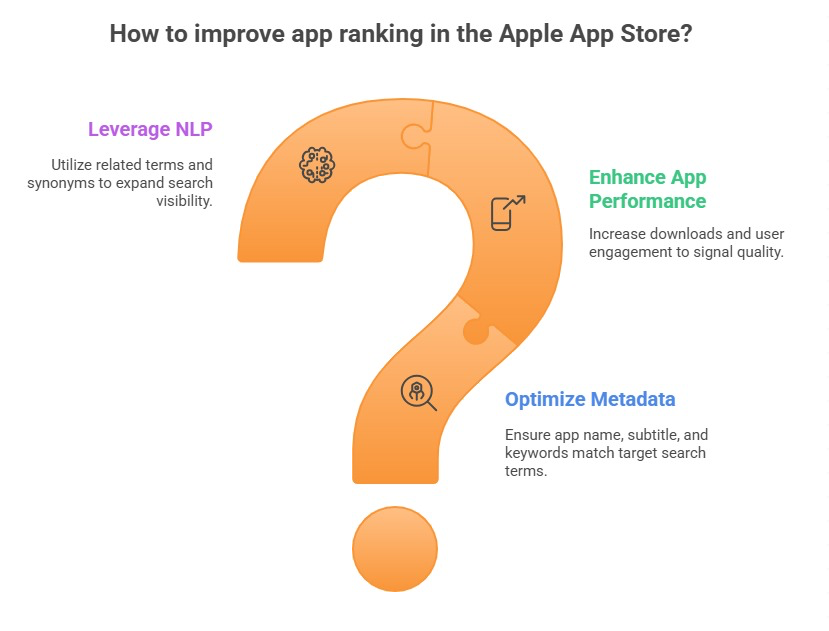
Apple has never published the exact weighting of its organic ranking algorithm, but it consistently rewards apps with strong download velocity, high conversion rates, and positive engagement signals relative to competitors in the same category and keyword space.
Here is where the connection with paid campaigns matters. Apple Search Ads installs count as real downloads. They contribute to your total install volume, they generate real usage and retention data, and in aggregate they can help establish momentum for keywords where you are also trying to build organic rank.
This does not mean paid installs are a shortcut to organic rank manipulation. Apple's spam and quality guidelines across app stores and search engines consistently penalize artificial signal manipulation, and there is no evidence that simply running ads directly boosts organic keyword position. What paid campaigns do provide is real, legitimate download volume and conversion data that compounds alongside a genuinely strong organic strategy, covered in more depth in our guide to current app store ranking factors for 2026.
It also matters that these installs come from real, engaged users rather than incentivized or low-quality traffic sources. Apple's systems are generally good at identifying and discounting low-quality installs that show no meaningful engagement after download, so the value of paid volume depends heavily on whether those users actually open, use, and return to the app. A campaign optimized purely for the lowest possible cost per install, without regard for post-install engagement, can end up contributing very little to the organic momentum a team might be hoping for.
Budget Allocation Logic: How Much Should Go to Paid vs Organic?
There is no universal ratio that works for every app, but a practical framework helps most teams reason through the decision.
Fund Organic ASO as a Fixed Foundation
Organic ASO work, including metadata, screenshot and video creative, review management, and keyword research, should generally be treated as an ongoing fixed investment rather than a variable one. Organic improvements compound: a better-converting listing helps every visitor, whether they arrived through search, a category browse, or a paid ad click.
Treat Paid Spend as Flexible and ROAS-Driven
Apple Search Ads budget should scale up or down based on measurable return, using clear tCPA or ROAS targets rather than a fixed monthly number. When organic conversion improves, the same paid budget typically produces more installs at a lower effective cost, since the listing itself is doing more of the conversion work.
Reinvest Paid Insights Into Organic Strategy
Search Ads reporting shows exactly which keywords are driving impressions, taps, and installs, along with conversion rate by search term. This is some of the most precise keyword-level data available on the App Store, and it should directly inform your organic metadata priorities, closing the loop between the two channels.
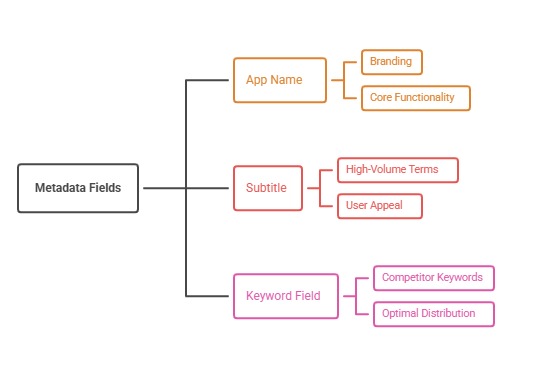
A quarterly review cadence works well for most teams: pull Search Ads search term reports, compare them against current organic keyword rankings, and flag any high-converting paid terms that are not yet reflected in your title, subtitle, or keyword field. This kind of review often surfaces keyword opportunities that would otherwise stay hidden inside a paid dashboard nobody on the organic side regularly checks.
Keyword Overlap Strategy Between Paid and Organic
One of the most common questions teams ask is whether they should bid on keywords they already rank well for organically. In most cases, the answer is yes, particularly for high-value terms.
Reasons to run paid ads on keywords you already rank organically for include:
- Defending branded terms: Competitors can and do bid on your brand name, and an ad above your organic listing protects that traffic
- Increasing total screen share: Occupying both the top ad slot and a strong organic position for the same search increases the total visual space your app occupies
- Capturing incremental volume: Even with strong organic rank, not every searcher scrolls past the ad slot, so paid presence captures users who would otherwise convert with a competitor
Where paid and organic keyword strategy should diverge is in exploratory or long-tail terms. Paid campaigns are a fast, low-risk way to test whether a new keyword or search theme actually converts before committing to a full organic metadata rewrite around it. This mirrors the keyword-to-conversion methodology we outline in our guide to full-cycle ASO from keyword research to conversion.
This exploratory use case is particularly valuable for apps entering a new category or considering a repositioning. Rather than committing to a full metadata rewrite based on a hypothesis, a small Search Ads budget can validate whether a new keyword theme actually drives installs and reasonable conversion rates within days, well before an organic rank change would even be measurable. This turns paid spend into a research tool as much as an acquisition channel.
Connecting Paid Creative With Organic Store Listing Tests
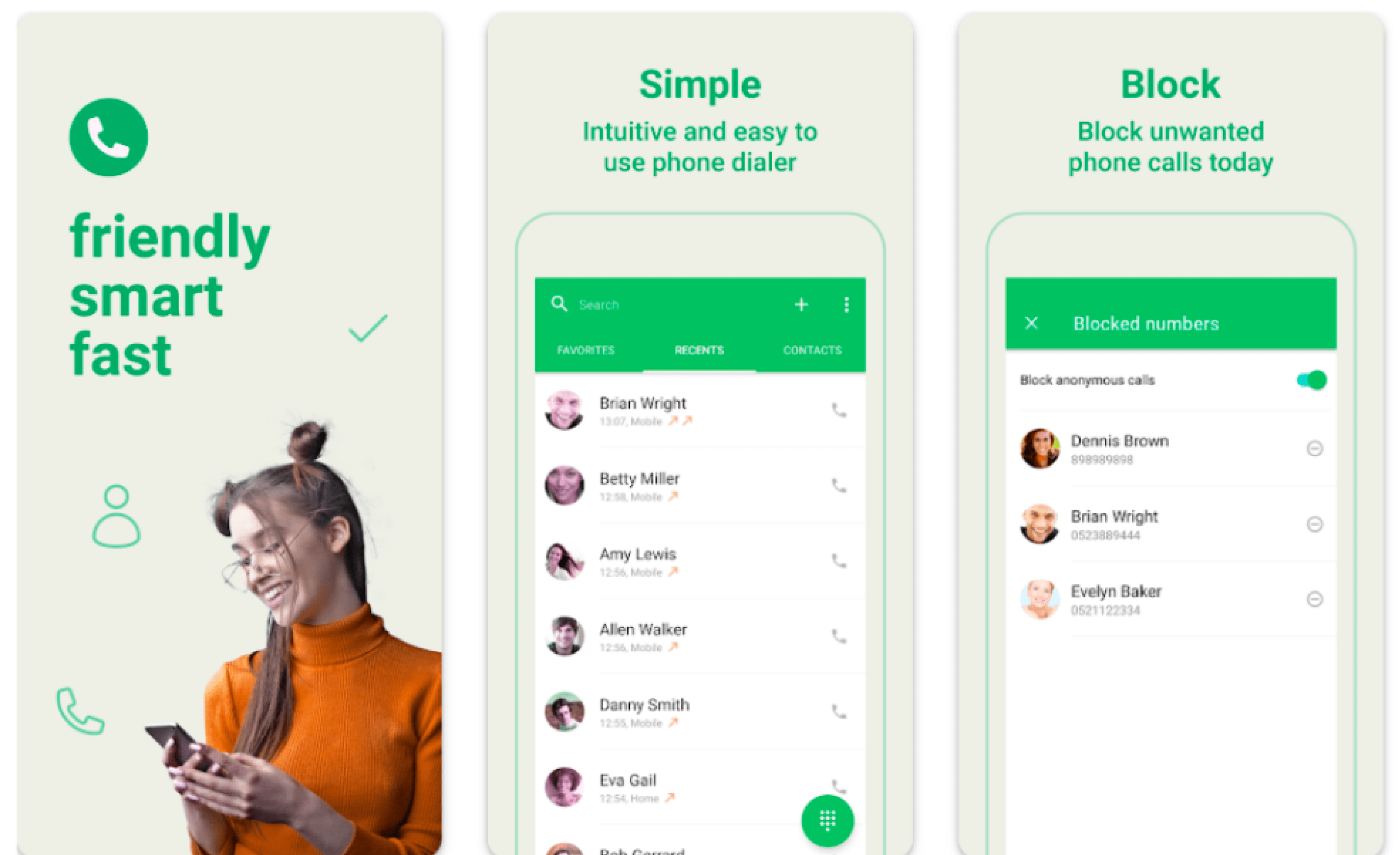
Apple Search Ads can be linked to Custom Product Pages, allowing you to show ad clickers a different, more targeted set of screenshots and messaging than what organic searchers see on the default listing. This is one of the clearest points of overlap between paid and organic creative strategy, and it lets you learn what messaging converts a specific audience before deciding whether to promote it to your default organic listing.
The same logic applies on Android with Google's paid and organic tools, covered in our guide to Google App Campaigns best practices, which shares many of the same principles even though the underlying platforms and auction mechanics differ.
Beyond keyword-specific CPPs, seasonal or promotional CPPs paired with time-limited Search Ads campaigns are another common pattern. A holiday sale, a new feature launch, or a limited-time offer can be reflected in both the ad copy and the linked CPP, giving ad clickers a consistent, urgent message rather than sending them to a generic evergreen listing that does not reflect the promotion driving the click in the first place. Once the promotion ends, the CPP and ad campaign can be retired together, keeping the default listing focused on evergreen messaging.
Building a Reporting Framework That Reflects Both Channels
Reporting on paid and organic separately, with no shared view, makes it hard to see the full picture of what is actually driving app growth. A better structure tracks:
- Blended cost per install across paid and organic, not just paid alone
- Keyword-level performance comparing organic rank against paid conversion rate for the same term
- Listing conversion rate trends over time, since a lift here benefits both channels simultaneously
- Total download velocity as a combined organic and paid metric, since this is closer to how Apple's algorithm evaluates app momentum
For teams building a broader optimization plan that ties these pieces together, our app store optimization checklist for 2026 covers exactly where paid and organic strategy should intersect across a full program.
Whoever owns this reporting should sit close enough to both teams to notice when a metric moves for a reason neither dashboard alone would explain, such as an organic conversion dip coinciding with a paid campaign pause, or an organic rank improvement coinciding with a spike in paid-driven download velocity. These cross-channel patterns are exactly the kind of insight that gets lost when paid and organic reporting live in completely separate systems reviewed by different people on different schedules.
Final Answer: Building One Growth System, Not Two Competing Channels
Apple Search Ads and organic ASO are not competing strategies fighting for the same budget line. They are two levers on the same growth engine, and the strongest app growth strategies treat them as a single connected system: organic ASO builds the foundation that makes paid spend efficient, and paid campaigns generate keyword and conversion insight that sharpens organic strategy.
At ASOWin, we build paid and organic strategy together from day one, rather than optimizing each in a silo. Apps that treat both channels as part of one growth engine consistently make more efficient use of their total marketing budget, since every dollar spent on paid also generates data and momentum that strengthens organic performance, and every improvement to organic conversion lowers the effective cost of every paid click. Explore more on our ASO blog or talk to our team about aligning your Apple Search Ads and organic ASO strategy.