App costs vary from a few thousand dollars for a simple prototype to hundreds of thousands for complex products, because cost depends on features, platforms, design depth, backend and integrations, and where your team is based. As a rough orientation, simple apps often fall in the tens of thousands of dollars, mid-complexity apps in the higher tens to low hundreds of thousands, and complex apps above that. Budget separately for launch, marketing, and ongoing maintenance, which many teams underestimate.
Why there is no single price
Asking how much an app costs is like asking how much a house costs. A single-screen utility and a two-sided marketplace with payments, chat, and real-time maps are both apps, but they differ by orders of magnitude in effort. The useful question is what your specific scope will cost, and which choices drive that cost up or down.
The figures in this guide are broad, illustrative ranges to help with early planning, not quotes. Get estimates from several teams based on a written scope, and expect them to vary.
The biggest cost drivers
Features and complexity are the largest driver. Each screen, user role, integration, and edge case adds design, development, and testing time. User accounts, payments, chat, offline sync, real-time location, video, and AI features each add significant work.
Platforms matter too: building native apps for both iOS and Android costs more than one platform, while cross-platform frameworks such as Flutter or React Native can reduce duplication for many apps. The backend, including servers, databases, admin dashboards, and APIs, is often a large hidden cost.
Rough cost ranges by complexity
Simple apps, such as a basic utility or content app with few screens and no complex backend, often cost in the low to mid tens of thousands of dollars with an experienced team. Mid-complexity apps, with accounts, payments, an admin panel, and several integrations, often fall in the higher tens of thousands to low hundreds of thousands.
Complex apps, such as marketplaces, fintech, real-time apps, or products with heavy AI or media processing, can cost well into the hundreds of thousands or more. These ranges vary widely with team location and quality, so treat them only as orientation.
Team location and type
Hourly rates differ greatly between regions and between freelancers, agencies, and in-house teams. Rates in North America and Western Europe are typically higher than in Eastern Europe, Latin America, or South and Southeast Asia. Lower rates can reduce cost, but communication, time zones, and quality control also matter.
Freelancers can be cost-effective for small, well-defined projects. Agencies provide complete teams and project management. In-house teams cost more upfront but build long-term capability. Choose based on scope, timeline, and how central the app is to your business.
Design and user experience
Good design is not decoration; it determines whether users understand and keep using the app. Budget for user research, wireframes, visual design, and usability testing. Skimping on design often leads to costly rework after launch.
Design also affects store conversion. Your screenshots and icon come from your product's design, as explained in our guides to App Store screenshot design and app icon design.
Testing and quality assurance
Testing across devices, operating system versions, screen sizes, and network conditions takes real time. Automated tests reduce regressions; manual testing catches usability issues. Budget for QA throughout development, not just at the end.
Quality affects ratings and visibility. Crashes and bugs at launch generate one-star reviews that are hard to recover from, as covered in crash rate and store ranking.
Launch costs
Launch costs include developer accounts ($99 per year for Apple, a one-time $25 for Google Play), store assets such as screenshots and preview videos, legal documents like a privacy policy, and pre-launch testing. Our guides to publishing on Google Play and publishing on the App Store walk through the steps.
Plan time and budget for app store optimization before launch: keyword research, metadata, and creative. Our app launch ASO checklist lists the essentials.
Marketing and user acquisition
Building the app is only half the investment. Users do not arrive automatically. Budget for ASO, content, community building, and paid acquisition. Many teams spend as much or more on growth as on development over the app's life.
Our app marketing budget guide explains how to plan spend, and the mobile app marketing strategy guide covers which channels to prioritize.
Ongoing costs most budgets forget
After launch, apps need maintenance: bug fixes, updates for new OS versions and devices, security patches, and new store requirements such as target API levels. A common planning rule is to budget a meaningful share of the initial build cost each year for maintenance, often cited in the range of 15 to 25 percent, depending on complexity.
Hosting, third-party services, analytics, customer support, and AI or API usage add recurring costs that grow with users. Factor these into pricing and monetization decisions, as covered in how to make money from an app.
How to reduce cost without cutting quality
Start with a minimum viable product focused on one core job and one audience. Validate demand before building every feature. Use cross-platform frameworks where they fit, managed backend services instead of custom infrastructure, and proven third-party tools for payments, analytics, and authentication.
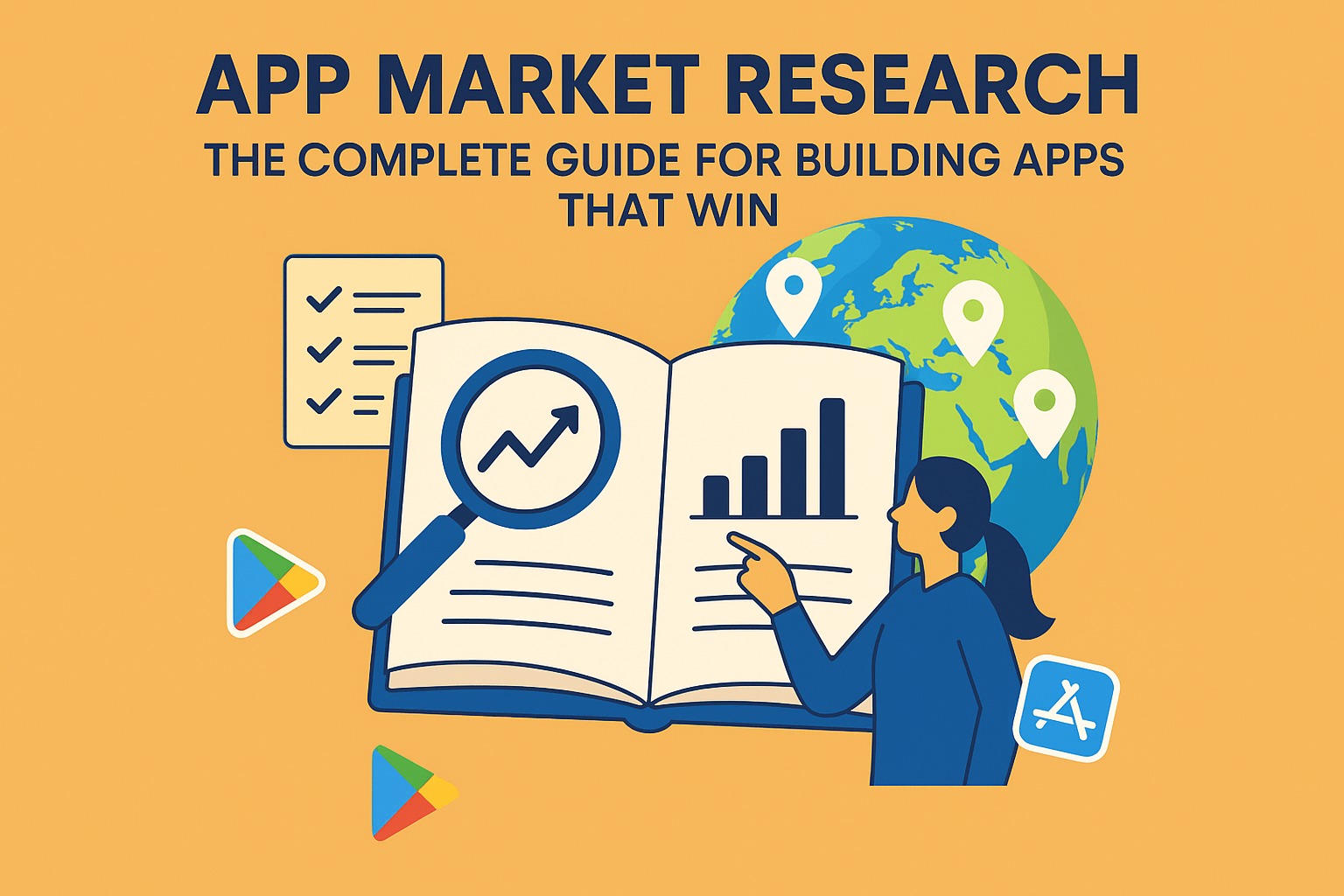
Research the market first so you build the right thing. Our app market research guide and pre-launch ASO strategy explain how to validate demand and keywords before investing heavily.
Common budgeting mistakes
The most common mistake is budgeting only for development and leaving nothing for marketing and maintenance. Others include vague scopes that invite surprise costs, choosing the cheapest quote without checking quality, and building too many features before validating demand.
Teams also underestimate backend and admin tools, and forget the cost of store requirements and OS updates that arrive every year.
A worked example: budgeting a fitness MVP
A founder plans a fitness app with workout plans, progress tracking, and subscriptions. Instead of building for both platforms with custom features, they scope a cross-platform MVP with one workout program, basic tracking, and in-app subscriptions, using managed backend services.
They budget separately for design, development, QA, launch assets, and three months of marketing, plus an annual maintenance reserve. After launch, retention data guides which features to build next, avoiding spend on features users do not want.
How to do it, step by step
- Write a clear scopeList core features, user roles, platforms, integrations, and must-have versus nice-to-have items.
- Choose platforms and tech approachDecide between native and cross-platform, and managed or custom backend.
- Get several estimatesRequest quotes from multiple teams based on the same written scope.
- Budget beyond developmentInclude design, QA, launch, marketing, and an annual maintenance reserve.
- Start with an MVPBuild the core job first, validate demand, then expand based on data.
Before and after examples
Illustrative examples written for a generic app in this category, not client results. Swap in your own product, audience, and data.
An app like Uber for pet care.
Customers book vetted pet sitters in one city; sitters accept jobs; in-app payment; ratings.
Why it works: A specific scope enables accurate estimates.
Development only.
Design, development, QA, launch assets, three months of marketing, and a maintenance reserve.
Why it works: Full budgets prevent stalling after launch.
Twenty features at launch.
Five core features at launch, with more after validating demand.
Why it works: MVPs reduce cost and risk.
Action plan
- Define a written scope
- Start with an MVP
- Compare several estimates
- Budget for marketing and maintenance
- Use managed services where possible
- Validate demand before scaling features
Metrics to monitor
- Cost per feature delivered
- Budget variance from estimate
- Time to launch
- Post-launch maintenance spend
- Cost per retained user after launch
Record the baseline, release date, audience, markets, and external changes before interpreting movement. Rankings and conversion are useful signals, but a decision is stronger when activation, retention, and business value confirm that the page attracted the right users.
Frequently asked questions
How much does a simple app cost?
Simple apps with few screens and minimal backend often cost in the low to mid tens of thousands of dollars with an experienced team, though ranges vary widely by region.
Is it cheaper to build for one platform?
Usually yes. Cross-platform frameworks can also reduce cost when building for both iOS and Android.
What are the ongoing costs of an app?
Maintenance, OS and store updates, hosting, third-party services, support, and marketing. Many teams reserve a share of the build cost each year for maintenance.
How much do developer accounts cost?
Apple charges $99 per year; Google Play charges a one-time $25 registration fee.
How can I reduce app development cost?
Start with an MVP, use cross-platform frameworks and managed services where suitable, and validate demand before building more features.
Should I budget for marketing before launch?
Yes. ASO, content, and early marketing should be planned alongside development, because users do not arrive automatically.
Keep reading
More in Strategy and Operations
Browse all 18 Strategy and Operations guides
Work with ASOWin
Primary sources
Platform capabilities and limits can change. Verify current requirements in these official resources: