Introduction
A generic ASO playbook tells you to optimize your title, test your screenshots, and chase high-volume keywords. That advice is not wrong, but for a fintech app it is incomplete in a way that matters. Users deciding whether to install a banking app, a payment wallet, or an investment platform are not just evaluating features. They are deciding whether to trust an app with their money, their identity, and often their financial future.
At ASOWin, we treat fintech ASO as its own discipline, layered on top of standard App Store Optimization fundamentals. The keyword research and metadata work still matter, but they sit alongside a second, equally important workstream: building visible trust signals, staying compliance-safe in every word of copy, and treating reviews as a reputational risk category rather than routine feedback.
This guide covers what actually changes when the app in question handles money.
It is worth being explicit about who this applies to. This is not only for licensed banks and lenders. Payment wallets, investment and trading apps, insurance apps, budgeting tools that connect to bank accounts, and even crypto apps all face the same heightened trust burden, regardless of how established or early-stage the company behind them is.
Short Answer: What Makes Fintech ASO Different?
Fintech ASO requires the same keyword and conversion fundamentals as any other category, plus a much heavier emphasis on trust signals, compliance-safe language, security-focused creative, and proactive review management. Because users are trusting the app with financial data and money, every element of the store listing has to actively build credibility, not just communicate features.
Why Fintech ASO Is Fundamentally Different
Installing a photo editing app or a casual game carries almost no perceived risk. Installing a banking app, a lending product, or an investment platform carries real perceived risk, even before a user creates an account. That single difference changes almost everything about how a fintech listing needs to be built.
Users researching fintech apps behave more like they are evaluating a financial service than downloading a piece of software. They read more reviews, look more carefully for security mentions, and are far more sensitive to red flags like vague company information, unclear fee structures, or a pattern of unanswered complaints about locked accounts or failed transfers.
This behavior shows up clearly in how users navigate a fintech listing. Where a casual app user might glance at the first two screenshots and the star rating, fintech researchers frequently scroll through several pages of reviews, check the developer name against the company they expect to see, and look specifically for any mention of regulatory registration or licensing before proceeding.
Trust Signals That Matter More in Fintech Than Any Other Category
Trust signals are not a nice-to-have for financial apps; they are often the deciding factor between two functionally similar competitors. Two apps can offer nearly identical core functionality, and the one that visibly communicates security and legitimacy will consistently out-convert the one that does not.
Security and Compliance Badges in Screenshots
Visible mentions of encryption standards, regulatory registration, deposit insurance where applicable, or partnership with an established, licensed banking institution give users concrete reasons to trust the app before they have even created an account. These cues should appear early in the screenshot sequence, not buried at the end. A user who does not reach screenshot six never sees the trust signal you saved for last.
Ratings and Reviews as a Trust Proxy for Money Apps
For most app categories, a 4.2 versus a 4.6 rating is a modest difference. For financial apps, that gap can carry outsized weight, since users specifically scan reviews for stories about lost money, failed transactions, or unresponsive support before deciding whether the risk is worth taking. This is one of many reasons large, regulated organizations treat app reputation with particular seriousness.
The developer's public profile also matters more here. A clearly named, established company entity behind the app, along with a support contact and a coherent version history showing regular updates, reinforces legitimacy in a way that a vague or unfamiliar developer name does not, particularly for apps handling deposits, transfers, or investments.
Compliance-Safe Messaging: What You Can and Cannot Claim
Store copy for a fintech app is not just a marketing decision, it is often a compliance decision. Regulators in many markets scrutinize financial marketing claims closely, and both Apple and Google apply their own policy layers on top of that.
Avoiding Guaranteed-Return and Risk-Free Language
Phrases implying guaranteed returns, risk-free investing, or instant approval for lending products are risky on multiple fronts. They can trigger regulatory attention, violate store policies, and, if the product cannot actually deliver on the promise, create the exact kind of negative review pattern that damages trust long-term. Google's own policy on financial services advertising is a useful reference point for the kind of restrictions that also tend to shape how fintech store listings should be worded.
Working With Legal and Compliance Teams on ASO Copy
Unlike most categories, fintech ASO copy usually needs a compliance review pass before publishing. Building this review step into your ASO workflow from the start, rather than treating it as a blocker discovered after the fact, keeps metadata updates moving at a normal cadence instead of getting stuck in approval loops.
A practical approach is to give compliance teams a pre-approved library of phrasing for common claims: fee disclosures, security descriptions, and feature explanations that have already cleared review. Drawing from this library for routine metadata updates, and reserving full compliance review for genuinely new claims, keeps the ASO team moving quickly without bypassing the checks that actually matter.
Designing Security-Focused Screenshots That Still Convert
There is a real tension in fintech creative: enough security messaging to build trust, without so much disclaimer and badge clutter that the actual product benefit gets lost. The best fintech screenshots we have seen strike this balance by leading with the core value proposition, such as instant transfers or automated saving, and reinforcing security as a secondary, visible layer rather than the entire message.
Showing the Right Security Cues Without Overexplaining
A small padlock icon, a mention of biometric login, or a one-line reference to bank-grade encryption communicates security far more effectively than a paragraph of legal language crammed into a screenshot. Users scan screenshots quickly; the goal is recognition, not a full compliance disclosure.
Review Management Is Higher Stakes for Regulated Apps
For most apps, an unanswered negative review is a missed opportunity. For a fintech app, an unanswered review describing a failed transaction or a locked account can look like evidence of a systemic problem to every future prospective user reading it.
Handling Reviews About Failed Transactions or Locked Accounts
These reviews need faster response times and more careful language than a typical complaint, since users reading them are actively assessing financial risk. A good response acknowledges the seriousness of the issue, avoids revealing account-specific details publicly, and directs the user to a secure support channel quickly. We cover the underlying response frameworks in detail in building an app review management strategy that scales, which applies directly to fintech's higher-stakes review environment.
It also helps to have a pre-agreed response protocol specifically for account and security-related complaints, reviewed in advance by compliance, so that support staff are never improvising language on a sensitive topic in the moment. This is one area where speed and caution both matter, and having the wording ready ahead of time lets a team deliver both.
Category Benchmarking Against Neobanks and Payment Apps
Benchmarking your fintech app against a generic top-chart competitor tells you very little. What matters is how you compare against apps solving the same specific problem: other neobanks if you are a challenger bank, other payment wallets if you compete on peer-to-peer transfers, or other lending apps if that is your core product. Look specifically at how competitors position security messaging, what fee transparency they lead with, and how they structure their review response strategy.
Pay attention also to how established competitors handle their weakest reviews. A mature neobank with millions of users will still have transaction-failure complaints; what differentiates the strongest players is not the absence of complaints but a visibly consistent, calm, and specific response pattern to them.
Keyword Strategy for Fintech Categories
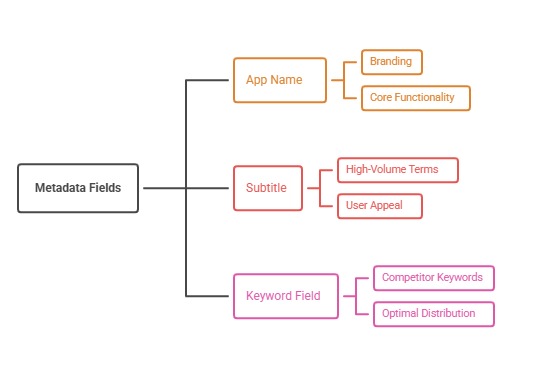
Fintech keyword research needs to separate high-intent transactional searches (like specific product names or "instant loan app") from broader trust-driven searches (like "secure banking app" or "regulated investment app"). Both matter, but they map to different parts of your metadata: transactional terms typically belong in the title and subtitle, while trust-driven terms often perform better woven naturally into the long description, where you have room to build credibility with more context. Solid market research should underpin this split before you finalize metadata.
Fintech search behavior also tends to shift with the broader news cycle. Interest rate changes, new regulations, or a competitor's high-profile outage can all spike search volume around specific terms, such as "safe investment app" or "bank alternative," temporarily. Reviewing keyword performance more frequently than a typical annual cycle helps fintech apps catch and respond to these shifts rather than missing a window of elevated search interest.
Localization Considerations for Regulated Financial Products
Fintech localization is rarely a simple translation task. Regulatory requirements, available product features, and even what claims are legally permissible often vary by market. A feature or claim that is compliant in one country's store listing may need to be removed or reworded entirely for another, which makes fintech localization a closer collaboration between ASO, legal, and regional product teams than in most other verticals.
Currency formatting, local payment method names, and region-specific trust cues, such as the name of a locally recognized regulator or deposit protection scheme, should also be adapted per market rather than left generic. A trust signal that means nothing to users in one country can be one of the most persuasive elements of a listing in another.
How ASOWin Approaches Fintech ASO
At ASOWin, fintech engagements are built around the reality that trust and compliance sit at the center of the strategy, not on the periphery. We design metadata and creative that lead with genuine product value while surfacing security and compliance signals clearly, build review response workflows suited to the higher stakes of financial complaints, and benchmark against the right category-specific competitors rather than generic top charts.
We also work directly alongside internal legal and compliance stakeholders rather than treating them as a late-stage approval gate, which keeps fintech clients moving at a normal ASO iteration pace instead of stalling every metadata change behind a lengthy review cycle.
This work connects into our broader app reputation management service, and pairs well with our guidance on ASO for e-commerce apps for brands operating across multiple regulated and non-regulated verticals. If you have not yet run a full store listing audit, our App Store Optimization checklist for 2026 is a strong starting point.
Final Answer: What Does Fintech ASO Require That Other Apps Don't?
Fintech ASO requires everything a strong general ASO strategy already covers, plus a deliberate layer of trust-building: visible security and compliance signals, carefully vetted, compliance-safe copy, screenshots that reassure without overwhelming, faster and more careful review response, and benchmarking against the right financial category competitors. Get this layer right, and the standard ASO fundamentals of keywords, conversion design, and iteration work far harder for you.
Explore more category-specific ASO strategy on the ASOWin blog, or talk to us about building a compliance-aware ASO program for your financial app.